



Akira Ransomware Targets SonicWall VPNs: A Wake-Up Call for Cybersecurity
Cybercrime doesn’t take a vacation, and the past week proved it with a sneaky new tactic from the Akira ransomware gang. If you thought your VPN was a fortress, think again—hackers are now targeting SonicWall VPNs with a clever trick that could leave businesses scrambling. Let’s dive into what happened, why it matters, and how you can keep your digital life secure.
What Went Down?
In early August 2025, cybersecurity researchers at GuidePoint Security dropped a bombshell: the Akira ransomware group has been exploiting SonicWall VPNs to sneak into systems.^1^ These VPNs, often used by businesses to secure remote access, were hit with a new attack vector where the gang deploys malicious drivers to disable antivirus protections. That’s right—hackers are essentially turning off your digital guard dogs to rummage through your data undisturbed.
The attack starts with compromised VPN credentials, which attackers likely snag through phishing or stolen credential markets. Once inside, they deploy ransomware that locks up files and demands a hefty cryptocurrency payment to unlock them. According to posts on X, Akira’s tactic is particularly nasty because it bypasses security measures like endpoint detection and response (EDR) systems, leaving companies vulnerable.^1^ This incident hit businesses relying on SonicWall’s VPN solutions, disrupting operations and potentially exposing sensitive data like customer info or financial records. While exact victim numbers are unclear, the attack’s sophistication suggests it’s a widespread threat.
Why This Matters
Ransomware isn’t just a tech headache; it’s a business nightmare. Imagine your company’s files—everything from client contracts to payroll data—locked up tight, with hackers holding the key. The Akira gang’s focus on VPNs is especially concerning because these tools are supposed to be secure pathways for remote work. If hackers can waltz in through a VPN, it’s like finding out your front door’s lock is made of paper. Plus, the use of malicious drivers to disable antivirus software shows how cybercriminals are upping their game, making traditional defenses less effective.
This incident also ties into broader privacy concerns. If attackers gain access to a VPN, they could potentially snoop on sensitive communications or steal identities by grabbing personal data. For businesses, this means not just financial losses but also reputational damage and potential legal fallout if customer data leaks. For individuals, it’s a reminder that even “secure” tools can be vulnerable if not properly protected.
The Bigger Picture
The Akira ransomware attack isn’t an isolated case. Cybersecurity news from the past week highlights a surge in sophisticated attacks, from malicious browser extensions to AI-powered phishing scams.^2^ VPNs, while great for privacy, are only as strong as their weakest link—often outdated software or weak credentials. This incident underscores the need for layered security: relying solely on a VPN or antivirus isn’t enough when hackers are this crafty.
How to Stay Safe
So, how do you avoid becoming the next victim? First, keep your VPN software updated—SonicWall has likely released patches to address this vulnerability, so don’t sleep on those updates. Second, use strong, unique passwords and enable multi-factor authentication (MFA) to make it harder for hackers to sneak in. Third, invest in robust cybersecurity tools that go beyond basic antivirus. Regular scans for malware, monitoring for suspicious activity, and encrypting your internet traffic are all key to staying one step ahead of the bad guys.
How Cyber Privacy Suite Can Help
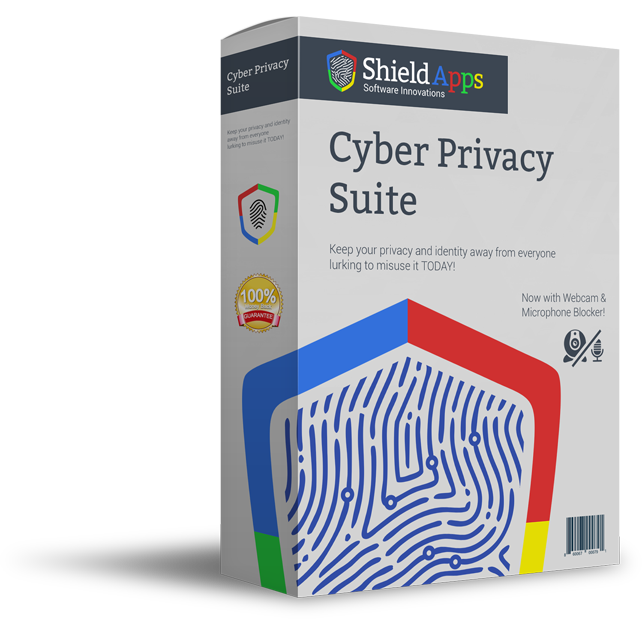
Cyber Privacy Suite by ShieldApps is like a digital bodyguard for incidents like the Akira ransomware attack. Its anti-tracking features block sneaky attempts to monitor your online activity, reducing the risk of phishing scams that often lead to stolen VPN credentials. The suite’s real-time malware protection can detect and neutralize malicious drivers before they disable your defenses, keeping your system secure. Plus, its identity protection tools monitor for data leaks, alerting you if your personal info pops up on the dark web. For webcam and microphone hacking concerns, Cyber Privacy Suite includes safeguards to prevent unauthorized access, ensuring your private moments stay private. Whether you’re a business protecting sensitive data or an individual safeguarding your digital life, this all-in-one solution adds a crucial layer of defense against ransomware and other cyber threats.^3^
Wrapping Up
The Akira ransomware attack on SonicWall VPNs is a stark reminder that cybercriminals are always evolving. By exploiting trusted tools like VPNs and disabling antivirus protections, hackers are finding new ways to cause chaos. But with the right precautions—like updating software, using MFA, and leveraging tools like Cyber Privacy Suite—you can keep your data and privacy safe. Stay vigilant, and don’t let the hackers win!
Resources
1. GuidePoint Security. (2025, August 7). Akira Ransomware Hits SonicWall VPNs, Deploys Drivers to Bypass Security. Retrieved from https://t.co/86IEKSYB18
2. The Hacker News. (2025, August 11). Weekly Recap: BadCam Attack, WinRAR 0-Day, EDR Killer, NVIDIA Flaws, Ransomware Attacks & More. Retrieved from https://t.co/p7NXbPSmIV
3. ShieldApps. (n.d.). Cyber Privacy Suite. Retrieved from https://shieldapps.com/products/cyber-privacy-suite/