


Salesforce – Gainsight Breach In November 2025, What Happened And Why It Matters
On November 20, 2025, Salesforce warned customers that some of their data may have been accessed after a security incident involving apps published by Gainsight, a popular customer success platform. Salesforce said that attackers abused the connection between Gainsight apps and Salesforce, which allowed them to reach “certain customers’ Salesforce data” through stolen access tokens. The Cyber Express+3BleepingComputer+3TechCrunch+3
This incident is another reminder that third party cloud apps connected to core business systems can create serious privacy and security risks. Even if your own Salesforce environment is well protected, a weakness in a partner app can still expose your customer information.
How the Salesforce – Gainsight cyber incident happened
Salesforce has shared a security advisory describing what it currently knows about the attack. While the investigation is still ongoing, several key points are clear. TechCrunch+3Salesforce Ben+3DataBreaches.Net+3
- Salesforce detected unusual activity involving Gainsight published applications that were connected to Salesforce orgs.
- The activity appears to be part of a data theft campaign, where attackers used stolen OAuth tokens or similar credentials to pull data out of some customer environments.
- Once Salesforce identified the suspicious behavior, it revoked all active access and refresh tokens for Gainsight apps and temporarily removed those apps from the Salesforce AppExchange while the investigation continues. BleepingComputer+3BleepingComputer+3Salesforce Ben+3
- Salesforce says there is no indication that its own platform was directly exploited. Instead, the problem appears to come from the way the Gainsight apps connected externally into Salesforce. Reddit+3BleepingComputer+3Salesforce Ben+3
Gainsight itself has not yet published full technical details, but public reporting and threat intelligence sources describe this as another example of attackers going after OAuth connections and API integrations instead of traditional usernames and passwords. Salesforce Ben+2The Cyber Express+2
What Salesforce customer data may have been exposed
Salesforce has not named the impacted customers or listed every type of record that may have been accessed. However, because this incident involves apps that sit deeply inside Salesforce orgs, the potential exposure is serious.
According to initial reports and Salesforce’s advisory, the attackers may have been able to read data that the Gainsight apps were allowed to access, such as: BleepingComputer+3TechCrunch+3Salesforce Ben+3
- Contact and account records (names, emails, phone numbers, company details)
- Customer success or support information managed through Gainsight, including health scores and engagement notes
- Possibly opportunity or subscription data used for customer success workflows
Salesforce has said that not all customers using Gainsight are affected and that the scope depends on how each org configured the connected apps and what permissions they granted. Even so, any exposure of CRM data can be extremely valuable to attackers, because it often includes:
- Up to date contact lists for sales targets
- Details of ongoing deals and contract values
- Internal notes that reveal how to convincingly impersonate an account manager or customer success team member
This sort of information is perfect fuel for spear phishing, account takeover attempts, and competitive intelligence theft.
Why this November 2025 breach matters for SaaS and CRM users
It is tempting to see this as “just” a vendor issue affecting a few large enterprises. In reality, the pattern behind the Salesforce – Gainsight incident is relevant to almost any business that uses modern SaaS tools.
- Third party app risk is now front and center
Most organizations connect many apps to their core platforms, especially Salesforce. Each integration gets powerful API access by design. If one app is compromised, attackers can jump straight into your most important systems, even if your own passwords and devices are safe. - OAuth and API tokens are prime targets
Attackers increasingly focus on stealing OAuth tokens, API keys, and service credentials, because these often bypass multi factor authentication and look like normal automated traffic. DataBreaches.Net+1 - Vendor breaches hit many customers at once
When a platform like Gainsight is attacked, dozens or hundreds of Salesforce orgs may be exposed in one campaign. That makes vendor security and monitoring just as important as internal security. - CRM data is pure gold for cybercriminals
A CRM database is essentially a map to your customers, prospects, and partners. With this data, criminals can launch very targeted phishing emails, fake renewal notices, and invoice scams that are hard for people to spot as fake.
What Salesforce and Gainsight users should do now
If your organization uses Salesforce and has ever installed Gainsight apps, you should treat this incident as a wake up call and take a few practical steps right away.
- Check Salesforce’s advisory and your org’s notices
Review Salesforce’s official security advisory and any direct communication you have received. Look for instructions about reconnecting Gainsight apps, new security settings, or additional logging. Salesforce Ben+2DataBreaches.Net+2 - Review connected apps and revoke anything you do not use
In Salesforce, audit your list of connected apps, especially those with broad read or write permissions. Remove unused integrations and tighten scopes for those that remain. - Turn on extra logging and anomaly detection
Enable field history tracking, event monitoring, or SIEM integrations so you can see which records are being accessed by which apps. Unusual mass exports, access at odd hours, or access from unexpected regions should trigger alerts. - Educate sales and customer success teams about phishing risks
If attackers have your CRM contacts, they may send very convincing emails that look like they are from real account managers, customers, or partners. Train staff to verify unusual payment requests, bank detail changes, or urgent “deal closing” messages through a second channel. - Apply least privilege to all integrations
Make sure that tools like Gainsight only have the minimum Salesforce permissions they truly need. Avoid giving full read access to every object when only a few are required.
Lessons for SaaS security and vendor management
The Salesforce – Gainsight breach in November 2025 highlights several bigger lessons for companies that rely on the cloud.
- Inventory and manage all third party integrations, not just the ones IT directly controls. Shadow SaaS connections can create hidden risks.
- Treat tokens like keys to the castle. Protect, rotate, and monitor OAuth tokens and API keys just as carefully as passwords and certificates.
- Include vendors in your incident response plans. Know in advance who to contact, what logs to pull, and how to quickly revoke access if a partner is compromised.
- Ask hard questions in security reviews, including how vendors secure their own integrations, handle token storage, and monitor for abuse.
These steps do not remove all risk, but they make it much harder for attackers to silently siphon data from cloud platforms through trusted apps.
How Cyber Privacy Suite can help after vendor and SaaS data breaches
Incidents like the November 2025 Salesforce – Gainsight breach show that even if you trust a large, well known SaaS provider, your data can still be exposed through connected apps and integrations. You may not be able to control every cloud vendor, but you can control how much exposed information sits on your own devices and how easy it is for attackers to use leaked data against you.
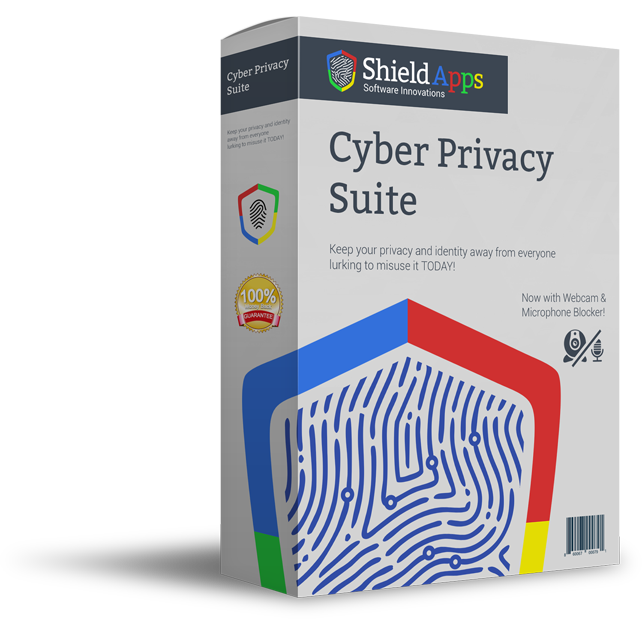
Cyber Privacy Suite from ShieldApps, available at https://shieldapps.com/products/cyber-privacy-suite/, is designed to help individuals and small businesses strengthen their privacy beyond the cloud. It can:
- Scan your computers for documents, spreadsheets, and exports that contain customer names, emails, account numbers, and other confidential details that might have been downloaded from systems like Salesforce
- Help you clean up old CRM exports and reports, reducing the amount of sensitive data lying around unprotected on local drives and shared folders
- Detect and remove tracking cookies and other hidden identifiers that websites and potentially malicious pages use to profile you or your customers
- Highlight weak privacy spots, such as unencrypted files, saved passwords in browsers, and exposed personal data that criminals can combine with stolen CRM records to craft highly targeted phishing attacks
When a vendor or SaaS platform suffers a breach, you do not have to stand still and hope for the best. By using a dedicated privacy solution like Cyber Privacy Suite, you can reduce your digital footprint on local devices, make it harder for attackers to link leaked cloud data with information stored on your systems, and lower the risk that a third party incident turns into real world fraud or identity theft.
References
- BleepingComputer, “Salesforce investigates customer data theft via Gainsight breach,” November 20, 2025. BleepingComputer+1
- TechCrunch, “Salesforce says some of its customers’ data was accessed after Gainsight breach,” November 20, 2025. TechCrunch+1
- SalesforceBen, “New Salesforce Data Breach? CSM Software Gainsight Compromised,” November 20, 2025. Salesforce Ben
- The Cyber Express, “Salesforce warns that customer data may have been accessed through Gainsight app,” November 20, 2025. The Cyber Express
- DataBreaches.net, “Threat actors have reportedly launched yet another campaign involving an application connected to Salesforce,” November 20, 2025. DataBreaches.Net