



California Casualty Data Breach In November 2025 What Insurance Customers Need To Know
In November 2025, California Casualty Indemnity Exchange began notifying customers that a serious data breach had exposed highly sensitive personal information. The company reported that an intruder accessed its network in early September 2025, copied files containing customer data, and that the full impact was confirmed on November 5, 2025. Notification letters started going out on November 19, 2025, to people whose information was found in the compromised files. Claim Depot+2ClassAction.org+2
California Casualty is a long established insurance provider that focuses on auto and home coverage for public service professionals such as teachers, law enforcement officers, firefighters, and nurses. That means the breach potentially affects people whose jobs already put them on the front line, now facing an extra privacy and identity theft risk. Claim Depot+1
How the California Casualty cyber incident happened
According to filings with several state Attorneys General and summaries from law firms reviewing the case, California Casualty detected suspicious activity in its IT systems and launched an internal investigation with outside cybersecurity experts. Claim Depot+2Federman & Sherwood+2
Key points in the timeline are:
- Intrusion window: An unauthorized person had access to the insurer’s network between September 2 and September 8, 2025. Claim Depot+2ClassAction.org+2
- Data review: The company then had to review large volumes of copied files to see what was in them.
- Breach confirmed: On November 5, 2025, California Casualty confirmed that the files contained personal information belonging to policyholders and other individuals. Claim Depot+1
- Notifications: Written breach notices and offers of credit monitoring began going out to affected people starting November 19, 2025. Claim Depot+2Claim Depot+2
So while the attacker was inside the network for less than a week, it took about two months to complete the investigation, understand which people were affected, and meet legal notice requirements.
Public summaries do not yet explain exactly how the intruder got into the network, for example through phishing, stolen credentials, or a software flaw. What is clear is that once inside, the attacker was able to find and copy files that contained very sensitive personal and financial data.
What information was exposed in the California Casualty data breach
Filings with state regulators and investigations by several law firms show that the copied files contained a wide range of personal details. JoinTheCase+3Claim Depot+3ClassAction.org+3
Depending on the person, the exposed information may include:
- Full name
- Home address
- Date of birth
- Social Security number
- Driver’s license or state ID number
- Tax identification number
- Financial account number
This is more than just basic contact data. It is a full set of details that criminals can use to open new accounts, apply for loans, or carry out long term identity theft.
State filings show that at least some residents of Maine and Massachusetts are affected, and disclosures mention notices to several other states as well. One summary notes at least two victims in Maine and three in Massachusetts, although the total number of people impacted nationwide has not been made public. Maine+3Claim Depot+3Federman & Sherwood+3
California Casualty has said it is offering 24 months of free Experian IdentityWorks credit monitoring and identity theft support to people who receive a notice, along with a dedicated toll free helpline for questions. Federman & Sherwood+2Claim Depot+2
Why this November 2025 insurance breach matters
It can be tempting to think of data breaches as just another news headline. In this case, the type of information exposed makes the risk very real.
- Social Security numbers and dates of birth
When attackers have these two pieces of information together, they can try to open new credit lines, take out loans, or file fake tax returns in your name. This kind of fraud can show up months or years after the original breach. - Driver’s license and ID numbers
Government ID numbers can be used to pass identity checks, fake license renewals, or support synthetic identity scams where criminals mix real and fake information. - Financial account details
If financial account numbers were exposed for some people, that raises the risk of direct theft, fraudulent transfers, or attempts to link new services to existing accounts. - Public service workers as targets
Because California Casualty specializes in coverage for teachers, first responders, and medical staff, attackers may try to use stolen data to run scams that appear to come from unions, professional groups, or retirement programs. Claim Depot+1
In short, this is the kind of breach that can lead to both immediate fraud attempts and longer term identity theft problems.
What affected California Casualty customers should do
If you have received a letter from California Casualty about this incident, or you know you had a policy or claim with the company, it makes sense to act as if your data could be at risk.
Practical steps include:
- Enroll in the free credit monitoring service
Take advantage of the 24 months of Experian IdentityWorks that California Casualty is offering. These services can alert you if new accounts are opened using your name or Social Security number. Claim Depot+1 - Check your credit reports regularly
Get copies of your credit reports from the major bureaus and look for unfamiliar accounts, addresses, or hard inquiries. If you see something that is not yours, dispute it quickly. - Consider a fraud alert or credit freeze
A fraud alert asks lenders to take extra steps to verify your identity. A credit freeze goes further by blocking most new credit checks until you lift it. Both options can make it much harder for criminals to open new accounts in your name. - Watch your bank and card accounts
Review statements every month and set up alerts for large or unusual transactions. Contact your bank or card issuer right away if you see anything suspicious. - Be alert to phishing and phone scams
Scammers may call or email pretending to be from your insurer, bank, union, or even a government agency. They may know your full name, address, or last four digits of your Social Security number. Never share full Social Security numbers, one time codes, or online banking passwords in response to an email, text, or call you did not start yourself. - Keep copies of the breach notice
Save the letter and any related mail. If you later need to dispute fraudulent accounts or join a legal claim, this paperwork can help prove that your information was part of the breach.
These habits are useful not only for this incident, but for dealing with any future breach that might affect you.
Lessons for insurance companies and other financial firms
The California Casualty data breach is another warning sign for insurers, banks, and other firms that store sensitive customer information.
Important lessons include:
- Network intrusions are often quiet and short
The attacker here appears to have been in the network for less than a week, but that was enough time to copy high value data. Strong logging and detection systems are crucial. Claim Depot+2ClassAction.org+2 - Data mapping and minimization matter
If sensitive personal data is spread widely across file shares and systems, it is much harder to protect and to review after an incident. Companies should know where their most sensitive data lives and limit how many copies exist. - Regulatory reporting is complex
This breach shows up in notices to multiple state Attorneys General, each with their own rules and deadlines. Firms need clear incident response plans that cover legal reporting as well as technical cleanup. Claim Depot+2California DOJ+2 - Customer communication should be clear and practical
Offering credit monitoring is important, but so is explaining the risk in plain language and giving step by step guidance on what people can do to protect themselves.
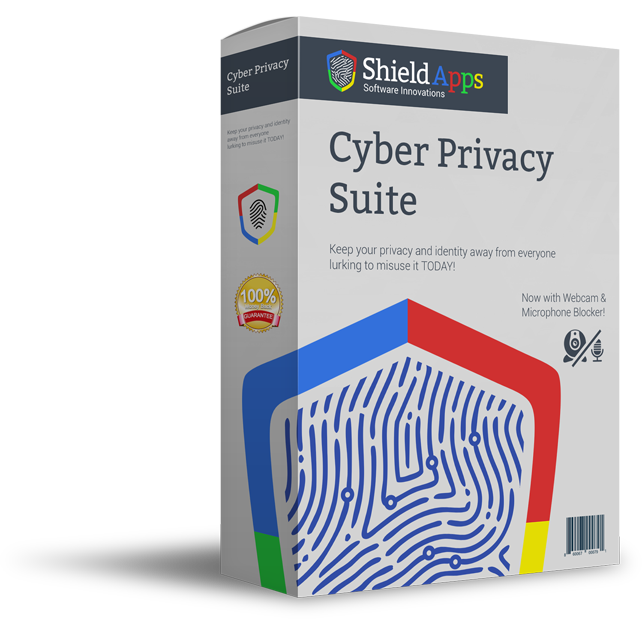
How Cyber Privacy Suite can help after an insurance data breach
When an insurance company or any other financial firm loses control of your data, you cannot reverse the breach. What you can do is reduce how exposed you are on your own devices and make it harder for criminals to turn stolen information into real damage.
Cyber Privacy Suite from ShieldApps is built to help you do exactly that. It is designed to protect your privacy at home and at work, especially in the months and years after large breaches like the California Casualty incident.
With Cyber Privacy Suite, you can:
- Scan your computer for sensitive personal data
Find documents, forms, and scans that include Social Security numbers, dates of birth, driver’s license details, financial account numbers, and other private information that often sits forgotten in downloads and folders. - Clean up digital traces that support identity theft
Remove tracking cookies and other hidden identifiers that websites and potentially malicious actors can use to build detailed profiles of you. - Identify weak privacy spots on your system
See where personal data is stored in unprotected locations, where browsers may be keeping old passwords, and where files are easy targets if your device is ever lost, stolen, or hit by malware. - Support safer browsing and phishing awareness
Reduce the risk of landing on fake banking or insurance sites that criminals create after big breaches to harvest logins and one time codes.
https://shieldapps.com/products/cyber-privacy-suite/
After a breach like the one at California Casualty, stolen data may circulate quietly for years. By using a dedicated privacy tool such as Cyber Privacy Suite and combining it with the credit monitoring you are offered, you can take back some control, shrink your digital footprint, and lower the chances that exposed insurance records lead to identity theft or financial loss.
References
- Claim Depot, “California Casualty Data Breach Exposes Social Security Numbers,” November 20, 2025. Claim Depot
- ClassAction.org, “California Casualty Indemnity Exchange Data Breach,” updated November 2025. ClassAction.org+1
- California Attorney General, “Submitted Breach Notification Sample, California Casualty Indemnity Exchange,” SB24-614461. California DOJ
- Federman Law Firm, “California Casualty Indemnity Exchange Data Breach Investigation,” November 2025. Federman & Sherwood
- Maxey Law Firm, “California Casualty Indemnity Data Breach Lawsuit Investigation,” November 20, 2025. Maxey Law Firm, P.A.