



Cybersecurity Incident Report: Ransomware Attack Exploits Windows Zero-Day Vulnerability
Introduction
On April 14, 2025, a significant cybersecurity incident involving a Windows zero-day vulnerability was disclosed, highlighting the persistent threat of ransomware attacks. This report examines the details of this incident, which exploited a flaw in the Windows Common Log File System (CLFS), enabling attackers to deploy ransomware and steal sensitive data. As cybersecurity threats like phishing, identity theft, and device hacking continue to evolve, understanding these incidents is critical for organizations and individuals alike. This article provides a detailed overview of the attack, its implications, and actionable steps for protection, including how tools such as VPNs, antivirus software, and anti-tracking measures can mitigate risks.
What Happened?
According to The Hacker News, a zero-day vulnerability, tracked as CVE-2025-29824, was identified in the Windows CLFS, allowing privilege escalation to SYSTEM-level access. This flaw was exploited by a threat actor group, referred to as Storm-2460 by Microsoft, using a trojan named PipeMagic. The malware facilitated credential harvesting and deployed a ransomware payload linked to the RansomEXX family. The attack, reported in early August 2025 as part of a weekly recap, affected a limited number of systems but demonstrated the severe consequences of unpatched vulnerabilities. Microsoft addressed the issue in their April 2025 Patch Tuesday update, but not before attackers encrypted files and left ransom notes, potentially compromising sensitive data.
The attack’s entry point likely involved phishing emails or compromised software, common tactics that trick users into downloading malicious payloads. Once inside, attackers could escalate privileges, steal credentials, and encrypt critical files. This incident underscores the interconnected risks of ransomware, identity theft, and potential webcam or microphone hacking if further vulnerabilities are exploited.
Why This Matters
Ransomware attacks pose a significant threat to both data integrity and personal privacy. Stolen credentials can lead to identity theft, with attackers accessing accounts or selling data on the dark web. According to a 2025 report, leaked credentials increased by 160%, amplifying the risk of unauthorized access (The Hacker News). Additionally, phishing remains a leading cause of breaches, accounting for 31% of incidents in 2024, per Verizon’s Data Breach Investigations Report. The rise in VPN-targeted attacks (up 238% from 2020 to 2022, per ScienceDirect) further complicates securing remote work environments. If attackers gain SYSTEM access, they could potentially exploit webcams or microphones, turning devices into surveillance tools.
How to Protect Yourself
To mitigate such risks, promptly apply software updates, such as Microsoft’s patch for CVE-2025-29824, to close vulnerabilities. Deploy a robust antivirus solution to detect and neutralize malware like PipeMagic. Use a VPN to encrypt internet connections, especially on public Wi-Fi, to safeguard data from interception. Anti-tracking tools can block malicious scripts that facilitate phishing or data collection. Be vigilant against phishing emails by verifying sender authenticity and avoiding suspicious links. Enabling multifactor authentication (MFA) adds a layer of security to prevent unauthorized account access. For added protection against device hacking, physically cover webcams and mute microphones when not in use.
How Cyber Privacy Suite Can Help
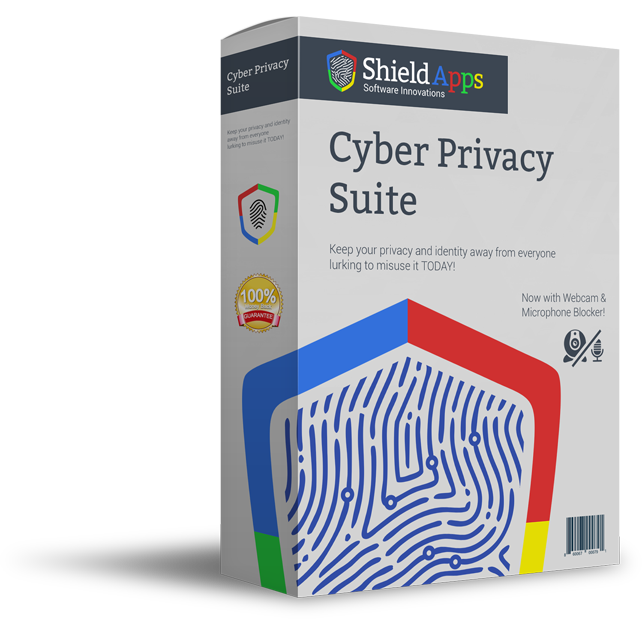
Cyber Privacy Suite, developed by ShieldApps, offers comprehensive protection against the threats highlighted in this incident. Its real-time malware detection neutralizes ransomware and other malicious payloads before they can cause harm. The suite’s anti-tracking features block scripts and trackers that could lead to phishing or data theft, enhancing online privacy. With VPN-like encryption, it secures your internet activity, protecting sensitive data on unsecured networks. Additionally, Cyber Privacy Suite monitors and prevents unauthorized access to webcams and microphones, addressing concerns about device hacking. By safeguarding credentials and personal information, it reduces the risk of identity theft, making it an essential tool for defending against sophisticated attacks like the Windows zero-day exploit.
Conclusion
The Windows zero-day ransomware attack serves as a stark reminder of the evolving nature of cybersecurity threats. By staying proactive with software updates, leveraging antivirus and VPN tools, and adopting cautious online habits, individuals and organizations can significantly reduce their risk. Cyber Privacy Suite provides an all-in-one solution to address these challenges, ensuring robust protection in an increasingly digital world.
Resources
– The Hacker News: “Weekly Recap: Windows 0-Day, VPN Exploits, Weaponized AI, Hijacked Antivirus and More”
– ScienceDirect: “Cybersecurity of remote work migration: A study on the VPN security”
– SecurityWeek: “Phishing: The Silent Precursor to Data Breaches”
– The Hacker News: “Leaked Credentials Up 160%: What Attackers Are Doing With Them”