




Pennsylvania Attorney General Ransomware Breach In November 2025, What We Know And How To Protect Your Data
In mid November 2025, the Pennsylvania Office of the Attorney General (OAG) confirmed that a ransomware attack earlier in the year had led to a serious data breach. The office disclosed that personal information, including names, Social Security numbers, and in some cases medical details, was accessed and stolen by attackers linked to the Inc Ransom group.Cyber News Centre+4SecurityWeek+4Security Affairs+4
This confirmation came months after a disruptive cyber incident in August 2025 that took down the office’s website, phone lines, and email systems. At the time, officials spoke mainly about service outages and recovery efforts. In November 2025 they acknowledged that the incident was not only about downtime, it also involved data exfiltration that could affect an unknown number of Pennsylvanians.The Record+2Cyber News Centre+2
How the Pennsylvania Attorney General cyberattack unfolded
Public reports and official statements describe a multi stage attack that followed a now familiar pattern for modern ransomware campaigns.SecurityWeek+2BleepingComputer+2
Key points include:
- The ransomware incident hit the OAG in early August 2025, taking critical online services offline for days.The Record+1
- The Inc Ransom group later claimed responsibility on its dark web site, boasting that it had stolen terabytes of data from the office and even hinting at access to related law enforcement networks.SecurityIT+3SecurityWeek+3BleepingComputer+3
- For several weeks the office focused on restoring systems and working with state partners while declining to give detailed technical information about the attackers or the data involved.SecurityWeek+2The Record+2
- On November 18 2025, the OAG confirmed that a data breach had occurred and that attackers had copied sensitive personal information from its systems.SecurityIT+3SecurityWeek+3Security Affairs+3
Like many recent ransomware incidents, this was a double extortion attack. That means the criminals both encrypted systems and stole data, using the threat of leaks as extra pressure even if the victim decides not to pay.
What information was exposed in the Pennsylvania OAG breach
According to multiple reports that cite the Attorney General’s office and state officials, the stolen data includes very sensitive personal and health information.SC Media+3SecurityWeek+3The Record+3
The exposed information may include:
- Full names
- Social Security numbers
- Dates of birth
- Home addresses and contact information
- Medical details linked to certain investigations or legal matters
The office has not yet publicly shared how many people are affected or provided a detailed breakdown of which case files or systems were accessed. However, as a statewide law enforcement and consumer protection agency, the OAG handles information about crime victims, witnesses, consumers, and people involved in civil and criminal cases. That means the breach could potentially touch many different groups, including some of the most vulnerable residents.SecurityIT+3SecurityWeek+3The Record+3
Local media in Pennsylvania have reported that notifications are being sent to residents whose Social Security numbers may have been accessed. The office has also reminded the public about the incident and pointed people toward identity protection services provided as part of its response.SC Media+1
Why this government data breach is especially serious
Any data breach that exposes Social Security numbers is dangerous, but a breach at a state Attorney General’s office carries additional risks.
- Highly sensitive context
Information stored by the OAG can be tied to criminal investigations, complaints, financial disputes, health care fraud cases, and more. Even partial details from those files could be misused for blackmail, harassment, or targeted scams. - Identity theft and tax fraud
Stolen Social Security numbers are a prime ingredient for opening fraudulent accounts, filing fake tax returns, and creating synthetic identities. Attackers may hold on to this data and use it slowly over time, long after news of the breach fades.Breachsense+1 - Trust in public institutions
Citizens must share personal information with law enforcement and regulators. When agencies are breached, it can discourage victims from coming forward or cooperating, if they fear their data will not be protected. - Potential legal and regulatory fallout
A breach of this scale often triggers investigations, audits of cybersecurity practices, and pressure to modernize systems across state government, which can take months or years.
How the Pennsylvania OAG says it is responding
The Attorney General’s office has said that it is taking the incident seriously and working with security experts and law enforcement partners. Publicly reported steps include:SecurityWeek+2Security Affairs+2
- Removing the ransomware and restoring essential systems
- Conducting a forensic investigation to understand what was accessed
- Coordinating with federal and state cyber units
- Sending notification letters to affected individuals where required
- Offering or directing residents to credit monitoring and identity protection services
- Reviewing and strengthening its security controls and network segmentation
Even with these actions, the reality is that once personal data is stolen, it cannot simply be pulled back. That is why individuals who might be affected need to take their own protective steps as well.
What you should do if you live or work in Pennsylvania
If you receive a notice from the Pennsylvania Attorney General’s office about this breach, or if you know you have had recent contact with the office, it is wise to act as if your data may be at risk.
Recommended actions:
- Use free credit monitoring or identity protection if offered
Follow the instructions in any official letter. These services can alert you to new accounts opened in your name or changes to your credit reports. - Place a fraud alert or credit freeze
Contact the major credit bureaus to add a fraud alert. For stronger protection, consider a credit freeze, which makes it harder for new creditors to access your file without your permission. - Watch bank and card accounts closely
Review statements every month and set up alerts for large transactions or new payees. Report suspicious activity to your bank or card issuer immediately. - Be skeptical of calls or emails referencing legal matters
Criminals may use stolen data to pretend to be from a court, a law office, or the Attorney General, asking for payments, account details, or more information. Verify any request by contacting the agency using an official phone number or website, not the details provided in the message. - Order and review your credit reports
In many cases you can access free reports. Look for unfamiliar accounts or addresses and dispute anything that does not belong to you.
These habits reduce the chances that stolen Social Security numbers and medical details turn into long term harm.
Lessons for public sector cybersecurity
The Pennsylvania Attorney General breach highlights several broader lessons for government agencies and any organization that handles sensitive personal data.
- Ransomware is a data breach, not just downtime
Many attacks now involve data theft before encryption. Agencies must assume that any successful ransomware incident likely includes exfiltration.SecurityWeek+2BleepingComputer+2 - Legacy systems and complex networks are prime targets
State offices often run older software and large, interconnected networks that can be hard to secure and patch. Attackers know this and actively scan for exposed vulnerabilities. - Incident response planning is critical
Clear plans for communication, system isolation, and recovery can reduce damage and speed up disclosure when something goes wrong. - Data minimization and encryption help limit impact
Reducing how much sensitive information is stored, and encrypting it properly at rest, can lower the value of any stolen files, even if attackers get into the network.
How Cyber Privacy Suite can help individuals after a government data breach
A breach at a state Attorney General’s office is a strong reminder that even trusted public institutions can suffer serious cyber incidents. You cannot control how a government agency secures its systems, but you can control how much exposed personal information sits on your own devices and how prepared you are to spot fraud attempts.
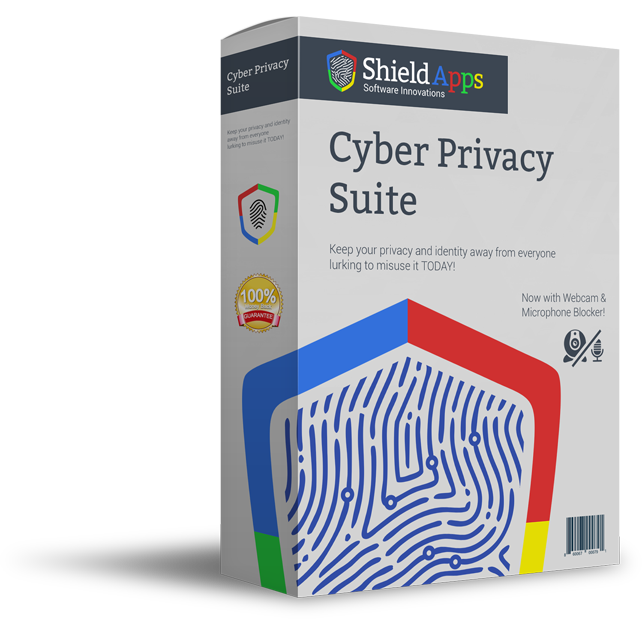
Cyber Privacy Suite from ShieldApps is designed to help you protect your privacy and reduce the fallout when a large organization loses control of your data.
It can:
- Scan your computer for documents, forms, and saved data that contain Social Security numbers, dates of birth, addresses, and other sensitive details
- Help you remove unnecessary personal files and reduce your digital footprint so there is less information available for attackers to combine with leaked data
- Clean up tracking cookies and other hidden identifiers that websites and potentially malicious actors use to follow your online activity
- Highlight weak privacy spots such as unprotected folders, saved passwords in browsers, and exposed personal details that scammers can exploit in phishing and social engineering attacks
https://shieldapps.com/products/cyber-privacy-suite/
When a government office or large institution suffers a breach, criminals often use the leaked information as fuel for targeted scams. By using a focused privacy solution like Cyber Privacy Suite, you can harden your own devices, limit easy access to your information, and reduce the chances that a distant ransomware attack turns into identity theft or financial loss in your everyday life.
References
- SecurityWeek, “Pennsylvania Attorney General Confirms Data Breach After Ransomware Attack,” November 18 2025.SecurityWeek
- The Record by Recorded Future, “Pennsylvania attorney general says SSNs stolen during August ransomware attack,” November 18 2025.The Record
- BleepingComputer, “Pennsylvania AG confirms data breach after INC Ransom attack,” November 17 2025.BleepingComputer
- SC Media, “Ransomware related breach confirmed by Pennsylvania Attorney General’s Office,” November 18 2025.SC Media
- Beaver County Radio, “Pennsylvania Attorney General’s office reminds Pennsylvanians about recent data breach that affected that office,” November 17 2025.